


You’ve designed your dream barndominium—whether it’s a cozy lakeside cabin or a sprawling country home with a workshop, your vision of a low-maintenance, energy-efficient space is within reach. But now comes a key question: what heating and cooling system will keep your home comfortable year-round?
In this blog, we’ll break down the HVAC options available for barndominiums, from traditional furnaces and air conditioners to heat pumps, mini-splits, and alternative systems. You’ll also learn which features and strategies maximize energy efficiency while maintaining comfort in every corner of your post-frame home.

Barndominium HVAC Options
Once you’ve chosen the right insulation and determined where it will go, the next step is selecting a heating and cooling system that keeps your barndominium comfortable year-round.

The right HVAC setup works hand-in-hand with your insulation to maintain consistent temperatures, improve energy efficiency, and ensure every space—whether living areas, workshops, or storage—is properly conditioned.
Here are some of the most popular options, and why they best suit your needs.
1) Central HVAC (Furnace + AC)
Furnance
A central HVAC system is a reliable choice for barndominiums with fully finished interiors. Furnaces generate heat by burning fuel—typically natural gas or propane—and work in tandem with an air conditioner to provide consistent year-round comfort through a ducted, forced-air system.
If you prefer an industrial or modern aesthetic, exposed ductwork can complement your barndominium’s open-concept design. However, it’s important to plan your HVAC layout with a professional early in the design process. Ceiling height changes—such as switching from 8-foot flat ceilings to vaulted—can significantly affect both your insulation and heating requirements.
Tip: Choose a high-efficiency furnace and air conditioner to reduce long-term energy costs and ensure your barndominium stays comfortable in every season.

Central Air Conditioning
For fully finished barndominiums, a central AC system pairs perfectly with a furnace or heat pump, using ductwork to deliver even cooling throughout the home. This option provides excellent temperature control and is ideal for larger floor plans or open living spaces.
Pros:
- Consistent cooling
- Works with existing ductwork
- Reliable performance
Cons:
- Higher installation cost
- Less efficient for small or zoned spaces
2) Heat Pumps vs. Geothermal Systems
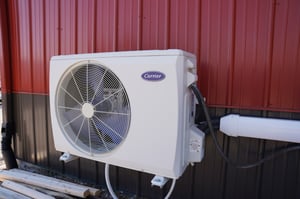 If you’re looking for an energy-efficient way to heat and cool your barndominium, heat pump systems are a worthwhile consideration. Both air-source and geothermal systems provide year-round comfort by transferring heat rather than generating it—but they do so in very different ways.
Air-Source Heat Pumps (ASHP)
An air-source heat pump transfers heat between your barndominium and the outside air. In the winter, it pulls warmth from the air outside and moves it indoors; in summer, it reverses direction, removing heat from inside to keep your home cool.
Pros:
- Lower operating costs than a furnace
- Provides heating and cooling
- Easier installation
Cons:
- Efficiency drops in very cold weather
- The outdoor unit may need maintenance or defrosting
Geothermal Heat Pumps (GHP)
Geothermal systems work similarly, but utilize the steady temperature of the ground or a nearby water source instead of outside air. Because the ground temperature remains around 50–60°F year-round, geothermal systems operate at higher efficiency and provide more consistent indoor comfort.
Pros:
- Extremely energy-efficient
- Quiet operation, long lifespan (20–25 years for the unit; 50+ years for ground loops)
Cons:
- Higher upfront installation cost
- Requires adequate land for buried piping
Tip: If you’re building your post-frame building as a long-term home, a geothermal system can offer unmatched efficiency and savings over time. For moderate climates or budget-conscious builds, an air-source heat pump provides excellent comfort and flexibility.
3) Ductless Mini-Split Systems
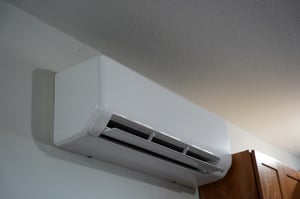 If you are building a pole barn cabin or post-frame shop with smaller living quarters, a ductless mini-split might be for you. They are ideal for smaller square footage areas or used in separate zones.
Pros:
- Energy-efficient
- Customizable comfort
- Easy to install
Cons:
- Higher per-room cost
- Visible indoor units
4) Radiant Floor Heating
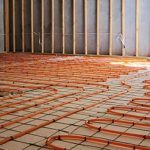 One of the most popular heating systems that we see customers select is radiant floor heating. Most will say it costs more upfront, but they can feel the difference. It works well with concrete slab foundations.
Pros:
- Quiet
- Even heat
- Comfortable feel
Cons:
- Expensive to install
- Heating only (requires AC alternative)
5) Wood Stoves or Alternative Systems
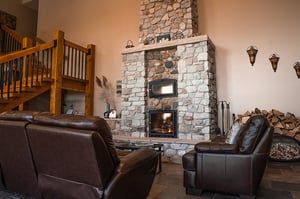 Wood stoves, inserts, and fireplaces offer cozy, off-grid or supplemental heat for barndominiums while adding rustic charm that complements post-frame living. Whether you choose a traditional cast-iron stove for whole-home warmth and occasional cooking, a freestanding model that heats multiple zones, or a wood, gas, or electric fireplace for targeted comfort, there are plenty of ways to incorporate wood-based systems into your design.
Wood heat provides energy independence and a timeless aesthetic, but proper planning for venting, placement, clearances, and maintenance is essential for safety and efficiency. Always check local building codes and consult your insurance provider before installation—some insurers have restrictions or may not cover homes using wood stoves or outdoor boilers.
Which HVAC System is Right for You?
Choosing the right insulation and HVAC system is one of the most important steps in building a comfortable, energy-efficient pole barn home. The combination of properly selected materials, thoughtful placement, and the right heating and cooling system ensures that every space—from living areas to workshops—is functional, comfortable, and cost-effective.
By considering your climate, ceiling heights, usage zones, and energy goals, and by working with experienced professionals, you can design a barndominium that performs well year-round and stands the test of time. With the right plan in place, your post-frame home can be both a cozy retreat and a highly efficient space tailored to your lifestyle.

Have more questions about pole barn heating and cooling options not covered in this article? Please contact FBi Buildings at 1.800.552.2981 or click here to email us. If you are ready to get a price, click here to request a quote and a member of our sales team will call you.