
Posts | Videos | Post Video | Building Tips | Energy Efficiency | Repairs & Renovations | Insulation


Do you want to upgrade your post-frame building? One of the most impactful pole barn renovations you can make is improving energy efficiency. Adding batt insulation is a practical and cost-effective way to boost comfort and lower energy bills.
From barndominiums and cold storage machine sheds to garages and hobby shops, proper batt insulation makes a difference. It not only enhances climate control in your post-frame building but also helps reduce utility costs.
This article discusses what to consider before adding batt insulation to an existing pole barn and the steps involved in the installation process.
Batt Insulation in Post-Frame Construction
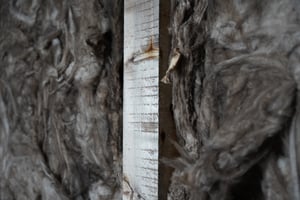 Batt insulation is one of the most cost-effective solutions for improving energy efficiency in post-frame constrution.
These pre-cut sheets or rolls fit in between the framing members of walls, ceilings, and floors.
Batt insulation forms a barrier that reduces heat transfer, helping maintain indoor temperatures and lowering energy consumption.
Its versatility makes it a popular choice for new post-frame construction and pole barn renovation projects. Most installations also include a vapor barrier to prevent condensation, ensuring long-lasting performance.
Common Types of Batt Insulation
- Fiberglass Batts: Made from fine glass fibers, fiberglass batts are lightweight, highly effective, and one of the most widely used insulation options in post-frame buildings.
- Mineral Wool: Produced from rock or slag fibers, mineral wool offers excellent fire resistance and sound absorption.
- Cotton: Some batt insulation is crafted from recycled cotton fibers, providing an eco-friendly alternative without sacrificing thermal performance.
Pro Tip: Avoid compressing the batt insulation, as compression can reduce its effectiveness. Proper installation of insulating materials affects the overall energy efficiency of your pole barn.

How to Install Batt Insulation in 4 Easy Steps
1) Take Accurate Measurements
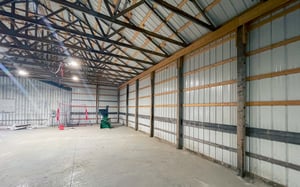 Before adding batt insulation to your post-frame building, you must take precise measurements.
Correct sizing ensures the insulating material fits snugly within the framing, eliminating gaps that cause heat loss. Here's what to measure:
Length & Width of Framed Spaces
Measure the height and width of walls, ceilings, and floors in your pole barn. Accurate dimensions help you calculate the amount of batt insulation required and ensure each piece fits properly. Note any changes in cavity size, especially in older post-frame structures.
Depth of the Framing Members
Measure the depth between framing members, including columns, girts, joists, rafters, or trusses. This number determines the thickness of the fiberglass batts or other insulation types. Batt insulation is manufactured in standard thicknesses designed to align with typical framing depths used in post-frame construction.
Obstacles and Cutouts
Identify and measure any areas where you'll need to cut around obstacles, such as electrical wiring, overhead door tracks, plumbing pipes, or windows. Planning for these cutouts ensures a clean installation and maintains the batt insulation's thermal performance.
Ventilation Requirements
Locate areas that need to remain open for proper airflow, such as eave vents, ridge caps, or attic spaces. When insulating a pole barn, it's critical not to block airflow with batt insulation. Restricted ventilation can cause moisture buildup and reduce energy efficiency.
With accurate measurements in hand, the next step is to select the appropriate insulating materials for your pole barn renovation project.

2) Gather Insulating Materials
With accurate measurements in hand, the next step is to select the appropriate insulating materials for your pole barn renovation project. Here's what you'll need in your shopping cart:
Batt Insulation
Choose the fiberglass batts with the optimal R-value for your climate zone. Installing batt insulation with the correct R-value improves thermal performance and overall energy efficiency.
Vapor Barrier
Some batt insulation includes a built-in vapor retarder. If your brand doesn't include one, plan to install a vapor barrier to combat moisture buildup and protect the post-frame building envelope.
Utility Knife or Insulation Cutter
A sharp utility knife allows you to cut batt insulation cleanly around electrical wiring, overhead door tracks, plumbing pipes, or windows.
Safety Gear
Wear gloves, long sleeves, and safety glasses when handling fiberglass batts to protect against skin irritation and ensure a safe installation process.
Staple Gun or Insulation Supports
Depending on your pole barn layout, you may use a staple gun to secure faced batts to framing members. Insulation supports can be used to secure unfaced batts in place between the columns and girts.
3) Add the Vapor Barrier
A vapor barrier is a critical component in post-frame construction that controls moisture, reduces condensation, and protects your batt insulation.
When paired with fiberglass batts, a properly installed vapor barrier improves energy efficiency and durability of your pole barn.
Vapor Barrier Applications
In cold climate zones, the vapor barrier is typically installed on the warm side of the insulation to prevent moisture from entering wall or ceiling cavities.
In post-frame buildings with air-conditioning units, the vapor barrier is often placed on the interior side of walls to prevent indoor humidity from reaching cooler surfaces.
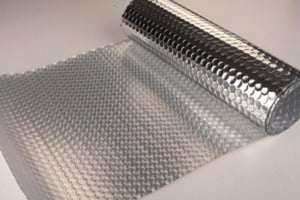 Common Types of Vapor Barriers
Some batt insulation comes with a built-in vapor retarder, such as kraft paper or foil.
When using faced fiberglass batts, make sure the facing is oriented toward the warm side of the pole barn—the interior in cold climates and the exterior in hot climates.
For unfaced batt insulation, a separate vapor barrier, often a sheet of plastic, can be installed on the warm side. Be sure to seal all seams and edges to create an effective moisture barrier.
Additional Considerations
Following local building codes and accounting for other moisture sources, such as bathrooms and kitchens, helps the vapor barrier perform as intended.
Adhering to manufacturer installation guidelines further supports a durable, comfortable, and energy-efficient pole barn.

4) Install the Batt Insulation
After the vapor barrier is secured and your post-frame building is prepared, it's time to install the batt insulation. Here's a step-by-step guide:
Batt Insulation Instructions
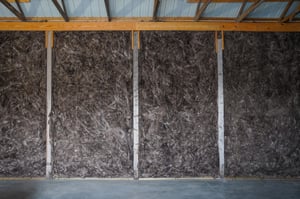 Begin by measuring the space between framing members.
Cut the fiberglass batts to fit precisely. A utility knife or an insulation cutter with a straight edge makes this step easier and ensures accurate cuts.
Next, carefully place the batt insulation into each cavity, making sure it fits snugly without being compressed.
Once positioned correctly, secure the fiberglass batts using a staple gun. Fasten it along the edges and, if necessary, add staples in the center to ensure it stays firm.
Continue this process for every wall, ceiling, and floor section that requires batt insulation.
When done correctly, your fiberglass batts will provide effective thermal protection, enhancing comfort and long-term energy efficiency.
Are You Ready to Add Batt Insulation to Your Existing Pole Barn?
At FBi Buildings, our Repair and Renovation Specialists are here to guide you through every step of upgrading your post-frame building.
Whether your pole barn was built by us or another construction company, we have the expertise to repair, renovation, and enhance any structure (post-frame or steel-frame).
Are you ready to improve the comfort and energy efficiency of your existing pole barn? Please call (800) 552-2981, and we'll gladly provide a FREE quote.
Additional Resources:
Barndominium Insulation Options for Maximum Efficiency
Can You Spray Foam an Existing Pole Barn?
Ultimate Guide to Pole Barn Insulation

Do you have more questions that aren’t covered in this article? If you need help with design and planning, please contact FBi Buildings at 800.552.2981 or click here to email us. If you’re ready for a price, click here to request a quote, and a member of our Customer Engagement Team will help you determine the next steps.